


How to Manage Driving During the Winter
How has your driving been during this winter? Every year, we deal with the snow up in the Cascades and icy conditions around Puget Sound. Yet we sometimes forget that we need to drive a bit differently in these conditions when the first winter weather arrives.
What can you do to manage driving around our area during the winter months, especially when road conditions deteriorate during a weather event? We have a few tips to help you get through another winter on the road.
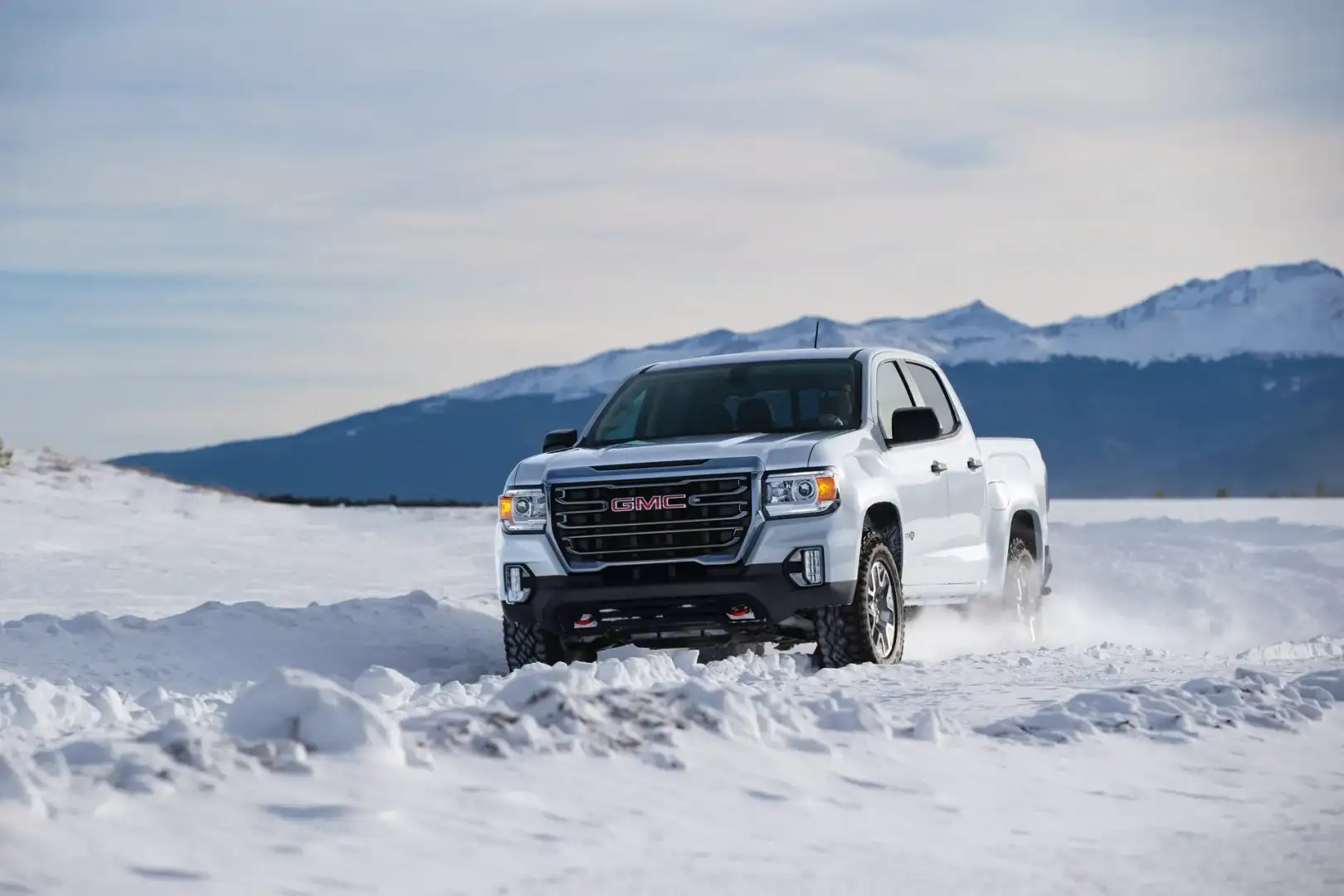
The first thing we suggest is to take it slow on the roads. No matter if you’re on Interstate 5 or along the streets of your neighborhood, understand that snow or ice will induce a loss of traction and grip in your vehicle. Sometimes you will encounter black ice, which is a thin coating of transparent ice that is not easily visible to drivers at night. In these conditions, accelerate gently and brake sooner than you would typically do. The slower you go, the better you’ll get through these winter road conditions.
While you are applying the brakes sooner, you should know that the anti-lock braking system is there to assist you. They work effectively when the wheels lock up, so you may need to press the brake pedal a bit harder.
During rush hour across the Puget Sound, we try to keep a safe distance from the vehicles in front and behind us. It is suggested to allow between eight and ten seconds of stopping time in stop-and-go situations through winter weather conditions. If you have adaptive cruise control, you can set it to the maximum distance.
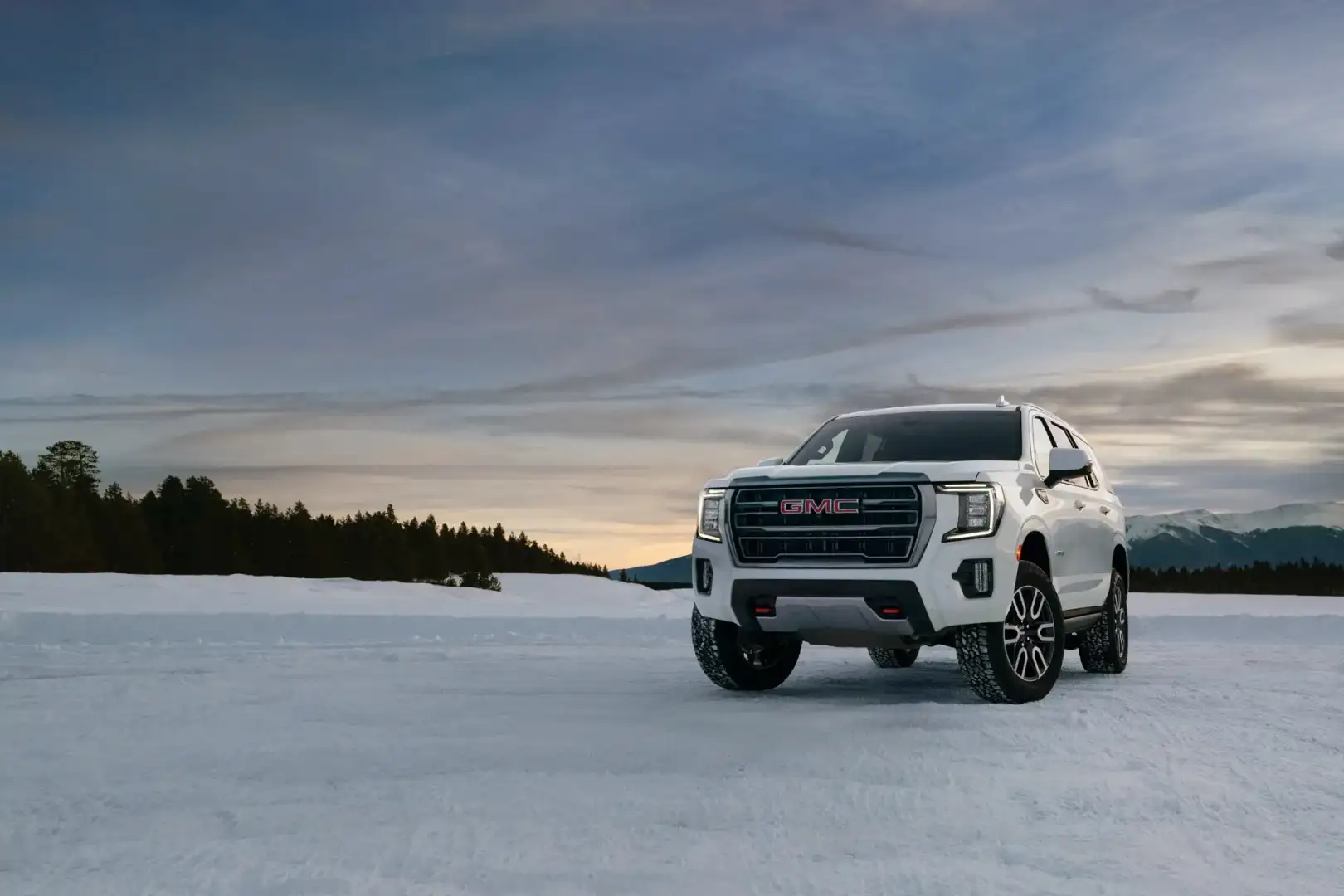
A tricky maneuver to manage during our winters is driving on hills and through the mountains. In Seattle, the inclines alone can cause havoc when the surfaces are icy. One tip is to accelerate on a flat stretch of pavement to build some inertia to move up onto the steep section of road. Once you reach the peak, reduce your speed and head down the hill slowly.
Perhaps the best piece of advice is to simply think and plan ahead. Check out the weather reports before going out to drive. If you do go out, make sure you have at least half a tank of fuel, your phone is fully charged, and some survival items. That should include food, clothing, and a first aid kit. If you are stuck in bad weather, please stay with your vehicle and turn on the hazard and interior lights. Even with all this preparation, not every driver on the road will take the same precautions, and a collision caused by someone else in icy conditions can leave you in a complicated situation. A car accident lawyer covers what your options look like if a winter crash wasn’t your fault.
If you anticipate driving significantly during this winter, make sure your vehicle is ready to go. That means checking on your battery health, tire pressures and condition, and other key components that could be affected by colder temperatures. Winter weather can also impact powersports batteries and other equipment that rely on dependable cold-weather starting performance. The service department at Valley GMC can assist you in getting your vehicle running smoothly during these months. Make an appointment soon so we can check out your vehicle before you tackle those wintry conditions out there.
0 comment(s) so far on How to Manage Driving During the Winter